A plumbing repipe feels like open-heart surgery for a house. Walls get opened, pipes get threaded through framing that has not seen daylight since the place was built, and the water you take for granted becomes a scheduled event. The top question I hear from homeowners is simple and practical: can we live here while this happens? The answer depends on scope, layout, crew size, and your tolerance for a few dusty, waterless hours. I have shepherded families through both whole-home and partial Repipe Plumbing projects, and the difference in livability can be night and day.
The anatomy of a repipe, and why it disrupts life
A repipe is not just a swap. Crews map existing runs, shut off water, open access points, pull new PEX or copper, connect fixtures, pressure test, and patch drywall. Each phase touches where you eat, sleep, and shower. In a partial repipe, we surgically work on a section: the loop serving the second floor, a cluster of bathrooms, or the aging galvanized lines in the crawlspace. With a whole-home repipe, the crew touches every water line from the meter to the furthest lavatory, and sometimes the main drain vents if the design allows, though that is a different trade.
PEX has changed the game for livability. It snakes through framing with fewer connections inside walls, which means fewer large holes and faster installation. Copper is still common for risers and exposed lines, prized for durability and code acceptance, but it needs more open walls and careful torch work. The material choice alone can change whether you sleep at home mid-project or book a hotel.
Whole-home repipe: can you stay, or should you go?
Most families can stay during a whole-home repipe if they plan for daytime outages and tolerate carpentry noise. I have had parents work from a back patio with headphones while we pulled new mains through the attic. Kids did homework at the neighbor’s table. It worked because we sequenced the project so they had a working bathroom every night, even when the water was off during the day.
The biggest friction point is the water-off window. Crews typically shut down supply for 6 to 8 hours when they tie in manifolds and fixture groups. On a two-bath home, day one might focus on the kitchen and laundry, day two on the bathrooms, and day three on exterior hose bibs and the water heater. By dusk, we aim to restore cold water to one sink and one toilet. Hot water usually comes back the same night if we set the new lines to the water heater early, but there are exceptions. If your water heater needs replacement or relocation, you might spend one night without hot water.
Older homes sometimes test patience. Imagine a 1950s ranch with plaster, not drywall, and galvanized lines choked with scale. Openings in plaster take longer to patch and cure. Running new copper through tight joist bays requires more demolition. These houses can still be occupied during a whole-home repipe, but the working day stretches and the dust management must be meticulous. I have seen families choose a three-night hotel stay simply to dodge the grind of vacuum motors and the sweet, faint scent of joint compound drying.
Partial repipe: targeted work, easier living
Partial repipes are naturally more livable. We isolate a zone, shut off a branch line rather than the whole house, and keep the rest of the fixtures online. In a split-level with a leaking upstairs bath, we can feed new PEX from the manifold to those fixtures and leave the downstairs kitchen untouched, water and all. The main caveat is tie-in points. If the partial repipe must connect to old lines in a hard-to-reach chase, we sometimes need a whole-house shutdown for an hour to make that final connection safely.
The hazard with partials is complexity later. You save money and stress now, but you run parallel systems: new lines for some fixtures, old lines for others. If the old lines are near end-of-life, you might find yourself living through a second repipe sooner than you wish. I have returned to homes two years after a partial to finish the remaining runs when corrosion accelerated. Occupancy was doable both times, but two rounds of drywall patching wore out the goodwill of one spouse.
What affects livability more than scope
Scope matters, but three other factors drive the occupancy experience: access pathways, sequencing strategy, and the competence of the crew.
Access determines where holes go and how big they get. Slab-on-grade homes often need overhead runs through attic bays, which concentrates dust and traffic in hallways and closets. Basements give you room to work standing up, with less need to open finished walls. Crawlspaces land somewhere in the middle, and they slow the crew, especially if belly-crawling is the only option. A slow crawl means longer water-off windows.
Sequencing is a craft. On a family job, I push the crew to preserve a “survival bathroom,” usually a half bath near the entry, until the final day. In a whole-home repipe, we set that room aside, run past it, and circle back late. That one decision turns a chaotic day into a manageable one. On partial repipes, careful sequencing can keep the kitchen alive while the master bath is down, or vice versa.
Crew competence is the quiet giant. A seasoned Repipe Plumbing team can swap a two-bath home in two to three days, with water off only during working hours. A green crew will take five, with longer outages and more exploratory holes. The difference is not luck, it is muscle memory and layout sense. Ask your contractor how many repipes they complete per month and what their average water-off window is. Good crews know those numbers.
Real scenarios from the field
A family of four in a 1978 two-story with copper in the slab faced pinhole leaks every month. We scheduled a whole-home PEX repipe with a 3-person crew. Day one ran lines to the upstairs baths and laundry, day two hit the kitchen and hose bibs, day three handled the water heater and manifold labeling. The family stayed. They lost water from 9 to 4 both days, but we kept one upstairs toilet and a cold tap live each evening. Drywall patches were small, often palm-sized, thanks to attic access. They spent nothing on hotels and cooked on a camp stove on the patio for two lunches. By the weekend, texture and paint were done.
A retired couple in a brick ranch wanted a partial. Only the guest wing leaked. We isolated that wing, but the tie-in to the old manifold required a 2-hour whole-house shutdown. They read on the porch, no hotel needed, no disruption in the kitchen. A year later the remaining galvanized lines started closing up, and they invited us back for the rest. They told me they would have preferred one longer week rather than two shorter ones, even though each project was livable.
A three-flat with stacked kitchens had a partial repipe in the middle unit after a ceiling leak. The landlord asked if tenants could stay. Yes, with caveats. We coordinated with all three units because shutoff valves in older buildings are notorious. We warned of surprise building-wide shuts if a crusty gate valve failed. It did, and we killed the whole stack for three hours. Tenants stayed, mildly annoyed, but it was manageable because everyone had warning and we kept a sanitation plan in place with a portable handwash setup in the courtyard.
The water plan that keeps you sane
You do not need to evacuate if you set a simple water plan. Stage drinking water in pitchers the night before. Fill the bathtub for bucket flushes if your crew cannot keep a temporary toilet online during the day. A single 5-gallon bucket with a lid, plus a scoop, can flush a toilet three to five times without drama. If the sight of a bucket next to your toilet makes your skin crawl, book a day pass at a nearby gym and call it an adventure. Most of my clients end up using a mix: buckets for emergencies, gym showers for comfort, takeout meals to avoid a waterless sink.
Pets need planning too. Dogs handle noise if they can retreat to a quiet room. Cats hate the compressor and will try to vanish into open walls. I bring cardboard and blue tape to cap openings at the end of each day and ask owners to confine cats in a single room with food and litter during work hours. This is not busywork, it prevents a midnight rescue from a stud bay.
Dust, noise, and the daily reset
Expect dust, even with plastic sheeting and zip walls. Drywall cuts create a fine powder that travels, especially in homes with forced-air systems. Turn off the HVAC during cutting and sanding if possible, and change filters afterward. Ask the crew how they manage daily reset. A disciplined team vacuums, wipes, and secures holes before leaving. I have a simple rule: if you can step barefoot from the bedroom to the bathroom without regret at 8 pm, the daily reset was good.
Noise peaks during hole cutting and when the crew fishes lines through tight chases. It is not a constant roar, more a series of intense bursts. If you work from home, schedule calls for early morning and late afternoon, or take a laptop to a coffee shop during the loudest windows. Your sanity will thank you.
Manifolds, shutoffs, and the joy of labeling
One upside of a whole-home repipe is a clean manifold with individual shutoffs. When the project ends, you can turn off the kids’ bath without killing the kitchen, or isolate the hose bib for winter. I label every line with a clear tag: “Master Shower,” “Kitchen Hot,” “Laundry Cold.” This detail changes how you live with the system long after the dust settles. Partial repipes can add a sub-manifold for the new zone, which still helps, but the elegance of a full manifold really shines. Ask for it, and ask for accessible placement. A manifold hidden behind a water heater is a promise you will break on the first urgent night.
Risks and edge cases to consider
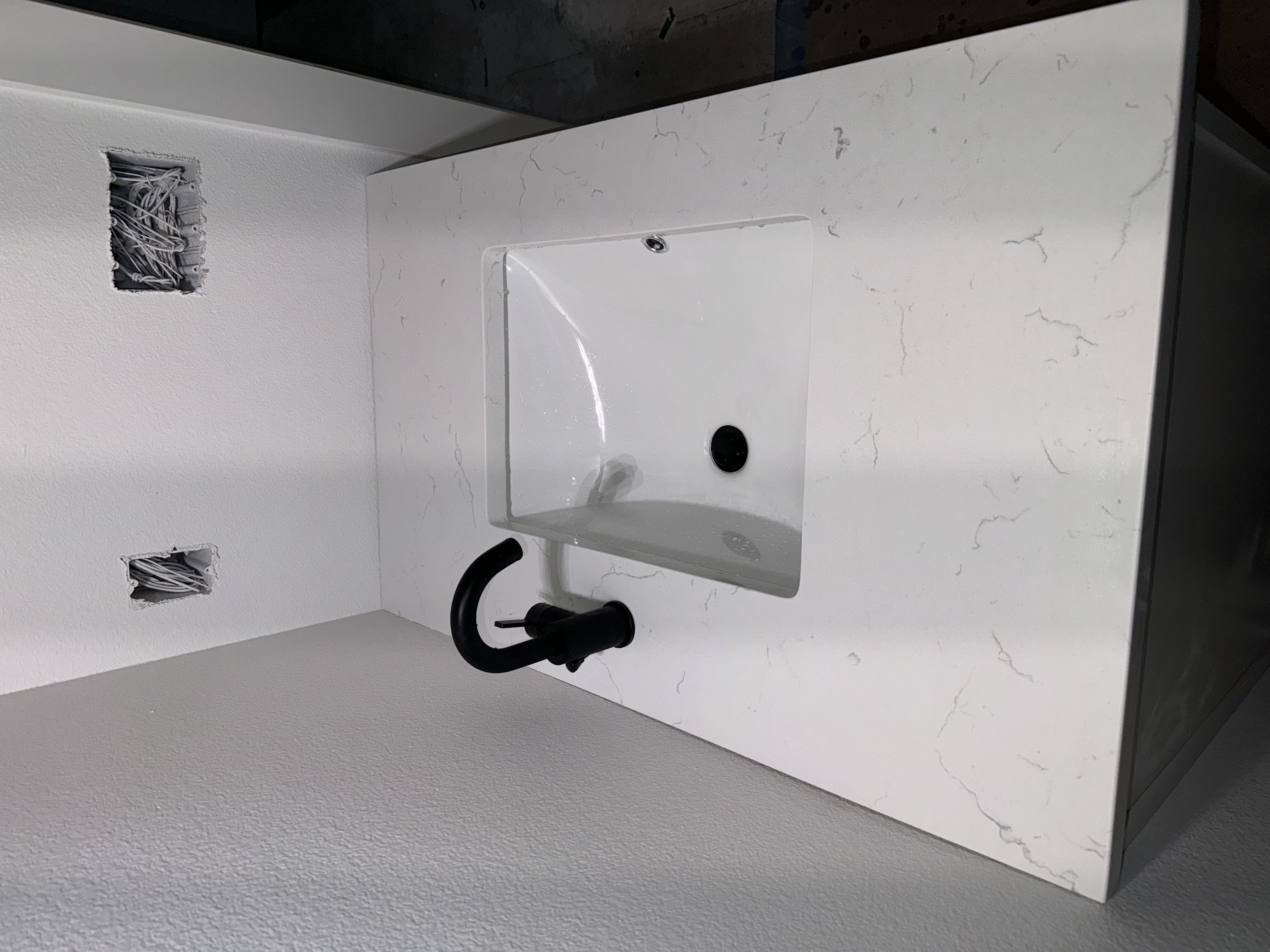
Every repipe carries risk. During demolition, we sometimes uncover brittle electrical conductors nicked by earlier trades, or hidden junction boxes inside walls. Responsible crews stop and call this out. It can pause the day and extend outages. Old valves can crumble when we touch them. A simple plan for this is to have replacement stop valves on hand and permission to proceed with minor change orders without re-quoting every part, so the job does not stall while everyone waits for an email.
Multi-story condos complicate occupancy. Common shutoffs, HOA rules, and quiet hours can force short working days, which stretch the schedule. Occupancy is still possible, but water service may be sporadic for more days. If you live on the top floor and access must come from below, you will likely keep your unit livable while the unit underneath sees the mess. Clear communication with neighbors is the difference between a manageable week and Oregon City repipe plumbing services a hallway standoff.
Climate matters. In desert heat, attic work can only happen early and late, which can push water-off windows into the middle of the day when crews retreat from the attic. In freezing climates, exposed lines and hose bibs need careful temporary protection if the job straddles a cold snap. Occupancy remains feasible, but the daily routine may shift.
Partial today vs whole tomorrow: the money and time calculus
A partial repipe is cheaper now. For a typical 2-bath home, a partial that handles one bath stack and the kitchen might cost 40 to 60 percent of a full job. You lose less wall area, and you spend fewer days living around the crew. The flip side is future disruption. If the remaining lines are near the same age and material, another leak is likely. Two partials can cost within 10 to 20 percent of a whole-home repipe and create two rounds of patching and paint.
From a livability standpoint, I often recommend a whole-home repipe if more than half of the system is suspect. One focused week, coordinated outages, then done. If the rest of the system is newer or a remodel already replaced those lines, a partial is sensible and gentle on your schedule.
How to stay put without losing your mind
Here is a compact plan that keeps occupancy comfortable during both whole-home and partial projects:
- Pick your survival bathroom and protect it until the last day. Agree on this in writing with your contractor and ask them to outline the daily water status. Stage water and sanitation the night before. Fill pitchers, a bathtub for bucket flushes, and set a backpack for the gym or a friend’s shower. Confine pets and cover closets. Ask for daily reset and HVAC-off during dusty cuts. Change filters after patch and texture. Label the manifold and test every fixture each evening. Catch issues at 5 pm, not 9 pm. Have a small contingency budget and time cushion. If a valve crumbles or a hidden chase fights back, you can adapt without panic.
Contractor choices that shape occupancy
Not all Repipe Plumbing contractors treat occupancy the same. Ask for a daily schedule with water-on and water-off markers. Ask how they handle debris, what their average water-off window is, and whether they dedicate a technician to patching or bring in a drywall pro. The best teams streamline the sequence so evenings feel normal. If a contractor cannot explain where holes go before they start, you are signing up for exploratory surgery, not planned incisions.
Material plays into this too. If code allows, PEX with home-run manifolds speeds installation and trims hole count. Copper risers and stubs at fixtures add durability where it shows and satisfies picky inspectors. A hybrid approach often gives the best of both worlds. Whatever you choose, insist on pressure testing before patching. Watching a gauge hold steady for 30 minutes buys you peace of mind long after the crew rolls out.
After the last patch: what occupancy felt like to real clients
When I check back a week after a whole-home repipe, the stories tend to converge. The week was noisy, but evenings were civilized. The manifold labels make small repairs painless. The water pressure feels new. The paint touch-ups blend better than expected. The only regret, most say, was not scheduling around a lighter week at work.
Partial repipe clients talk about relief with minimal upheaval. The kitchen kept running, the guest bath gained new life, and the budget stayed friendly. A few admit they now eye the old lines with suspicion, but they are happy they bought time.
So, can you live there?
Yes, for most homes, you can. A whole-home repipe asks for daytime flexibility and a bit of grit, but with smart sequencing you sleep in your own bed and brush your teeth at your own sink by nightfall. A partial repipe is easier still, provided the tie-ins are simple and the crew keeps the rest of the house isolated from the work zone.
The right choice depends on the age of your lines, your appetite for a second round later, and how much daytime disruption you can stomach this month. I have spent enough days inside the guts of houses to say this with confidence: a well-planned repipe is not a siege, it is a campaign. Set the objective, map the routes, protect your base camp, and you will come out the other side with stronger plumbing and hardly a story of hardship, aside from the time you flushed a toilet with a bucket and felt oddly proud of it.
Business Name: Principled Plumbing LLC Address: Oregon City, OR 97045 About Business: Principled Plumbing: Honest Plumbing Done Right, Since 2024 Serving Clackamas, Multnomah, Washington, Marion, and Yamhill counties since 2024, Principled Plumbing installs and repairs water heaters (tank & tankless), fixes pipes/leaks/drains (including trenchless sewer), and installs fixtures/appliances. We support remodels, new construction, sump pumps, and filtration systems. Emergency plumbing available—fast, honest, and code-compliant. Trust us for upfront pricing and expert plumbing service every time! Website: https://principledplumbing.com/ Phone: (503) 919-7243